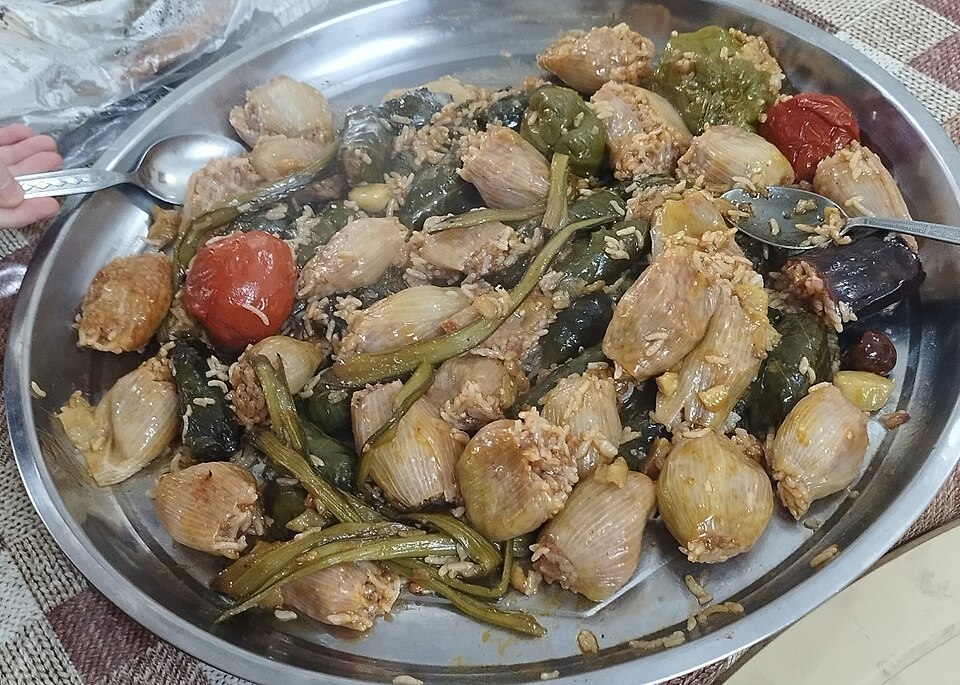
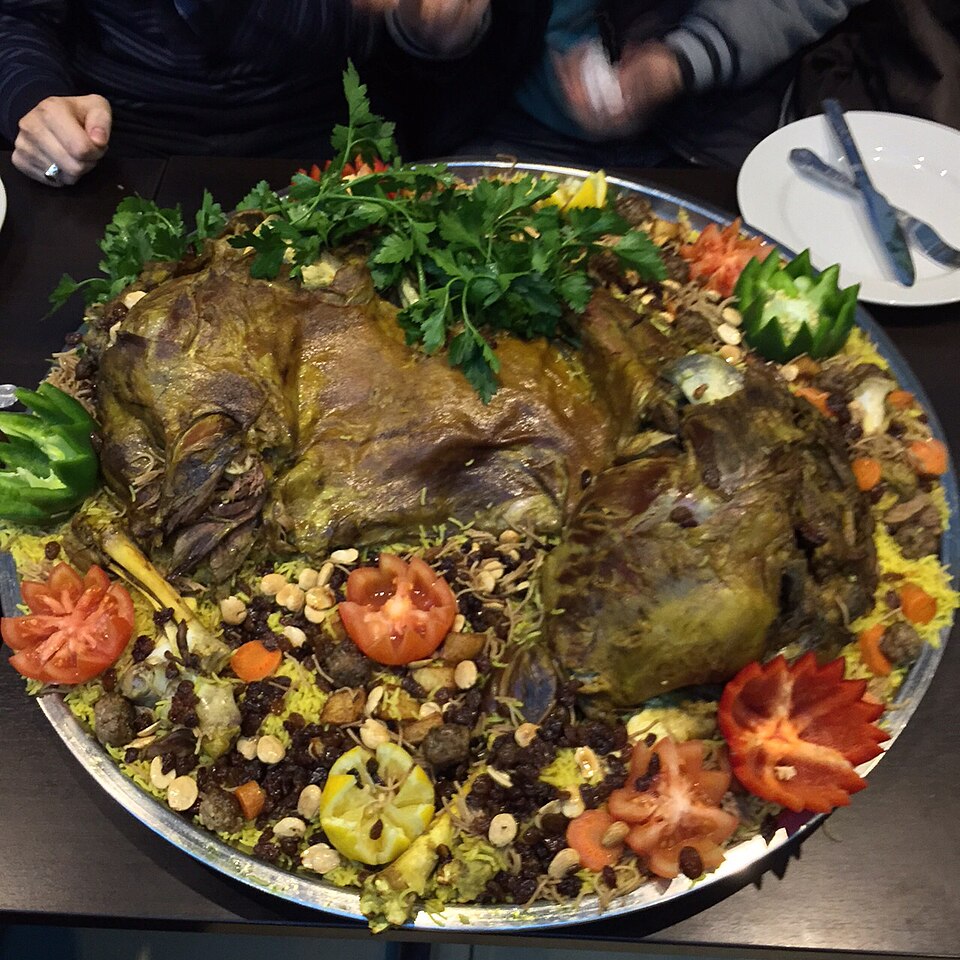
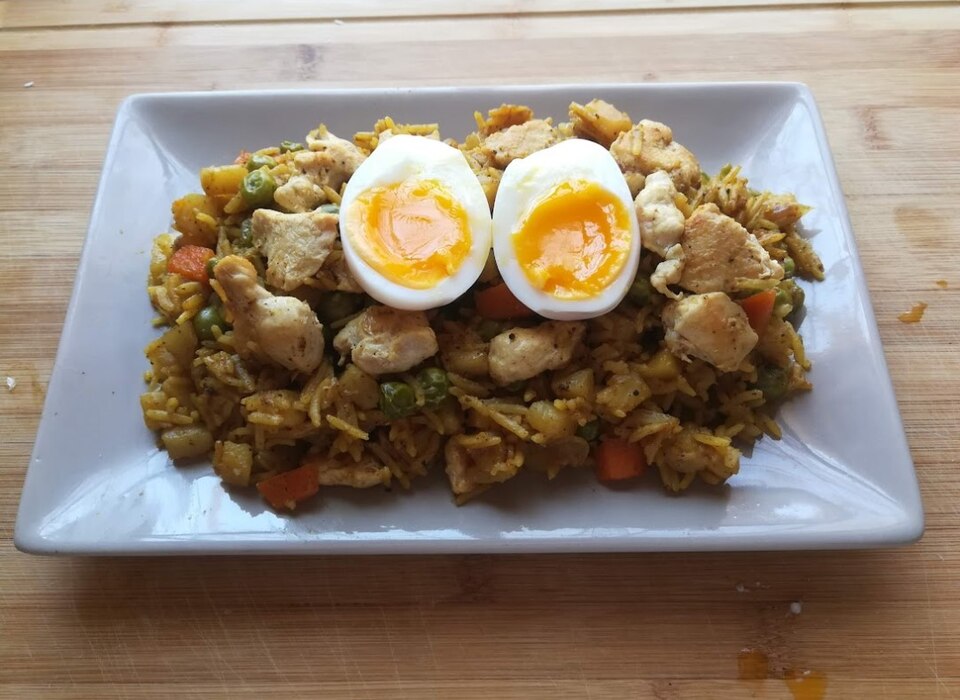
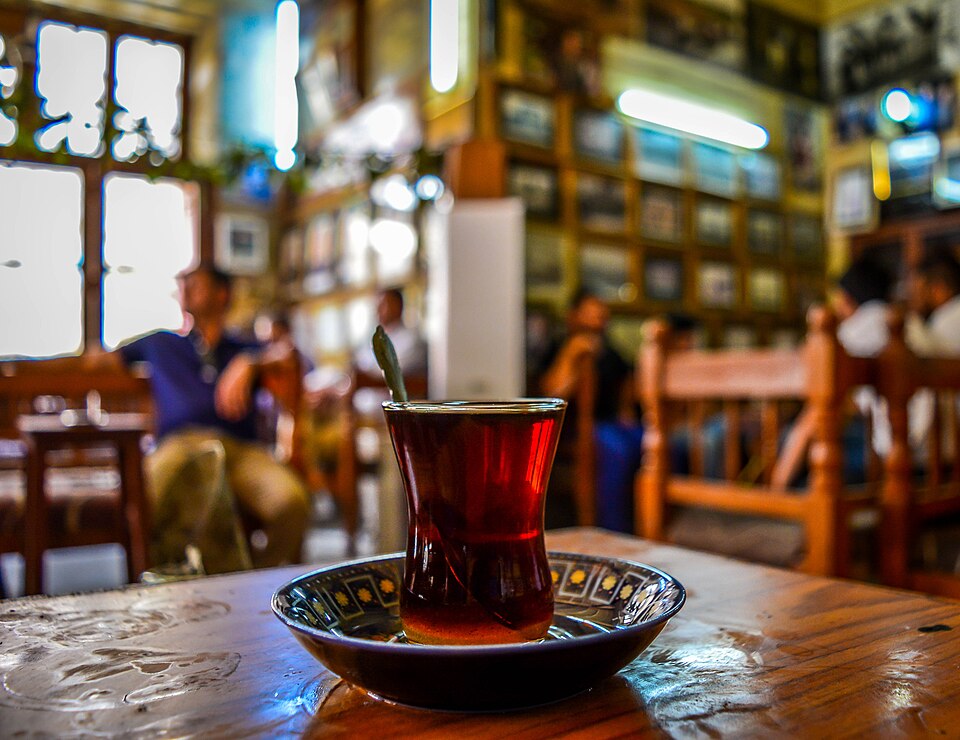
Erbil’s markets and household meals offer context for Kurdish cooking. Yaprax relates to dolma across Iraq; grilled meats, rice, bread, yoghurt and tea are regional entry points. These are described as regional traditions rather than exclusive city inventions. Market ingredients help identify everyday food, while a particular establishment’s supply depends on its menu.
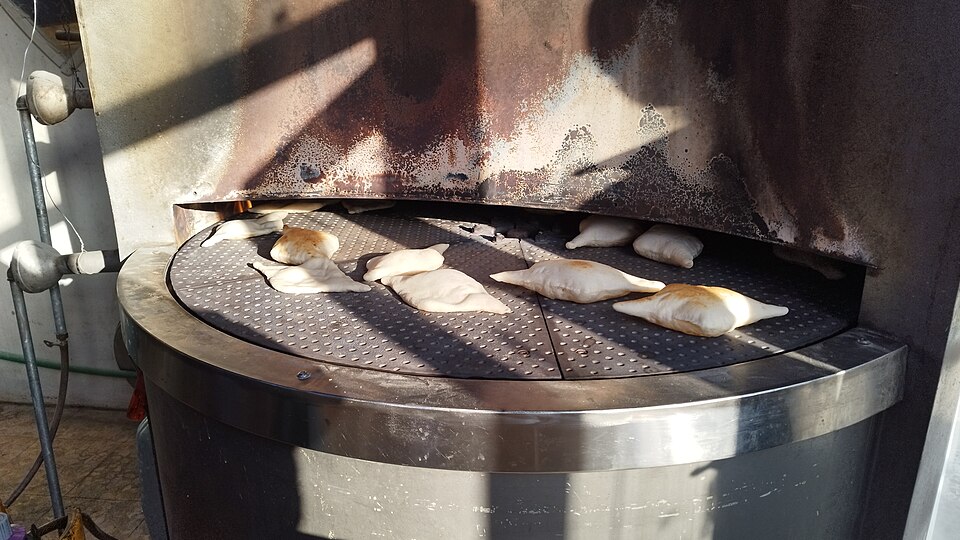
Read the dish name alongside main ingredients and preparation. Grilling, boiling, stewing and stuffing produce different textures and portions; household versions vary. The dossiers retain local names, key ingredients and eating contexts. Useful questions concern meat or fish, bones, and whether bread, rice or sides are ordered separately.
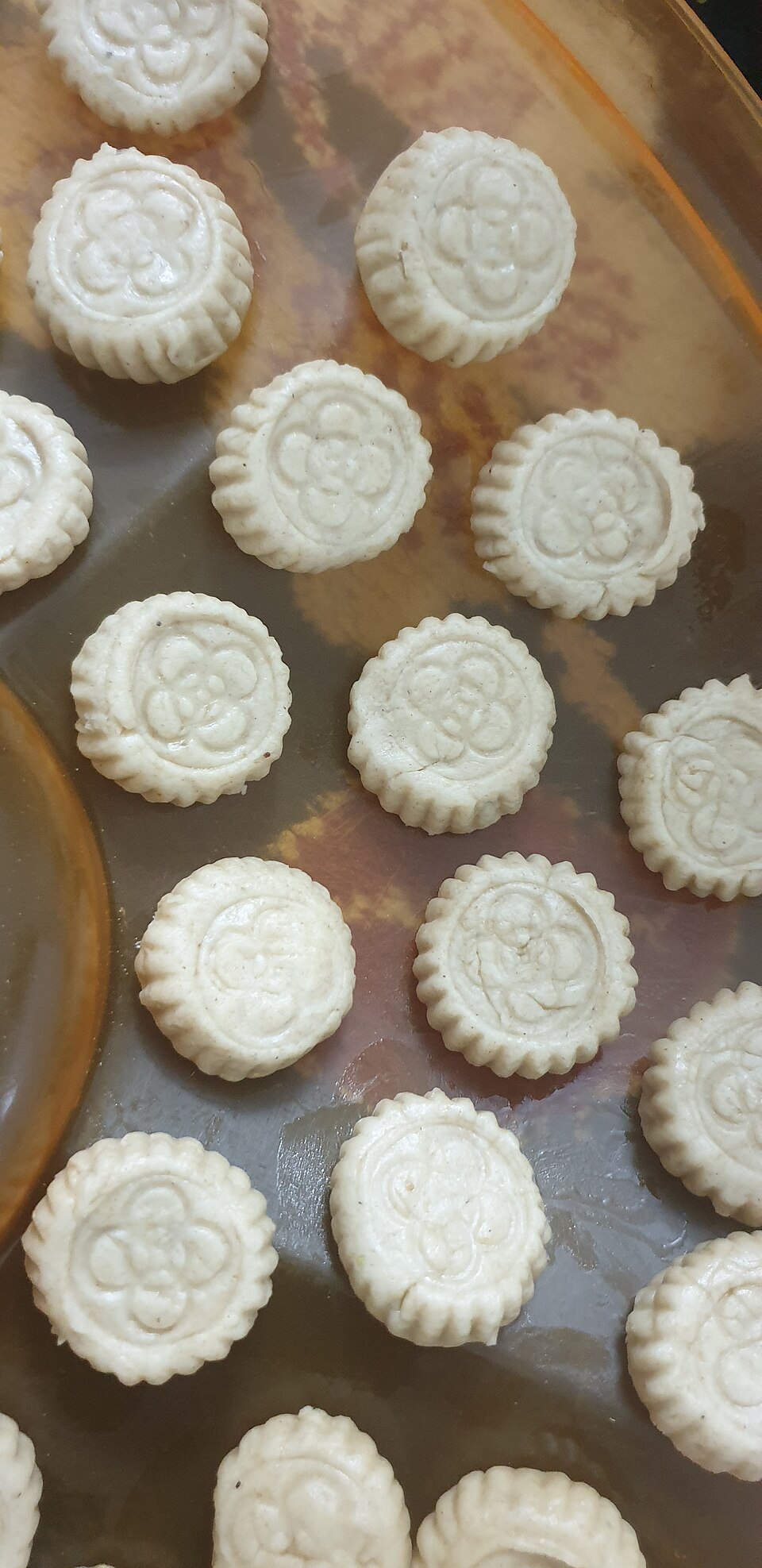
Common Arabic menu words include سمك (fish), لحم (meat), دجاج (chicken), رز / تمن (rice), خبز (bread) and شاي (tea). بدون لحم؟ asks about no meat; ما المكونات؟ asks about ingredients. Vocabulary supports conversation, not a recipe guarantee. Nuts, dairy, sesame and wheat may appear in fillings, breads and sweets; communicate any allergy directly to the kitchen.
Dish guides support understanding and ordering. Restaurant addresses, menus and operation require separate verification; map entries are not recommendations.