IraqDeep Insight

About Iraq

Start with its place in West Asia. Explore the history, architecture and everyday life of eight cities.

Understanding Iraq

Start with its place in West Asia. Explore the history, architecture and everyday life of eight cities.

Politics & governance
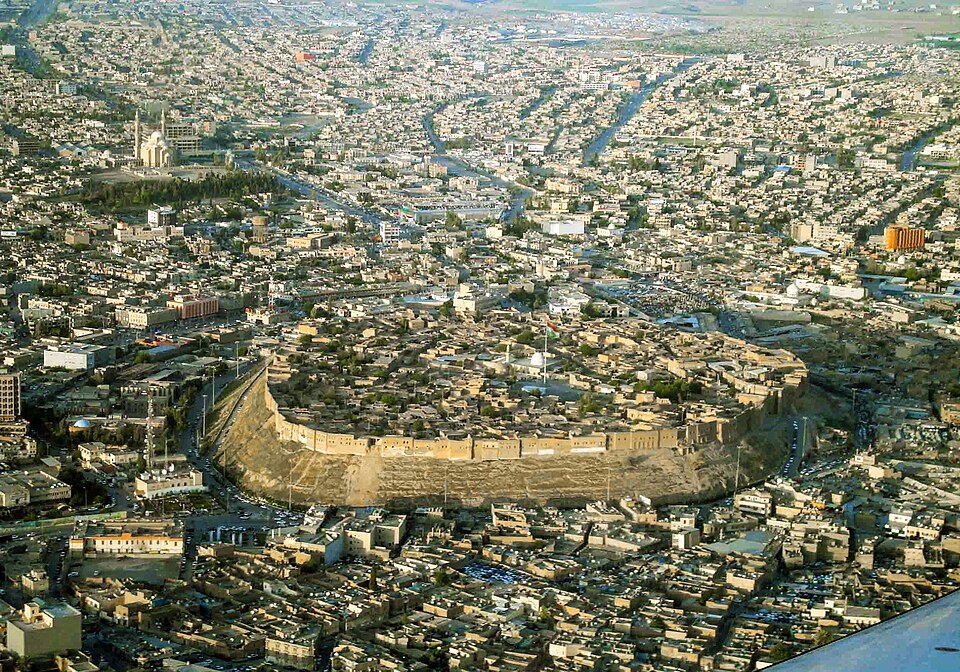
Erbil Citadel

Understand Iraq’s federal parliamentary system and regional governance.

Economy & living

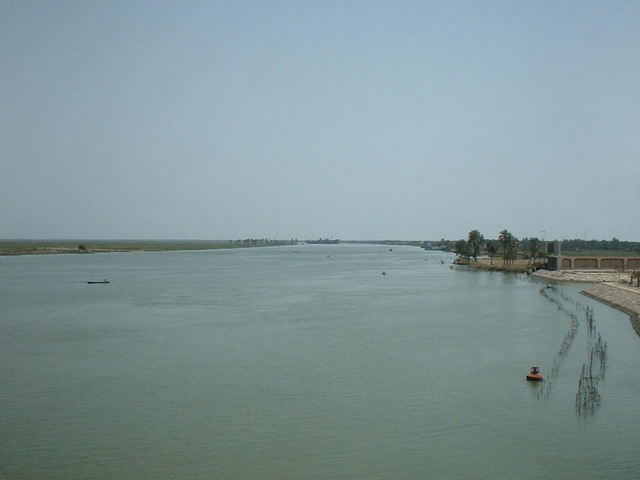
Shatt al-Arab, Basra · historical photograph

Oil shapes public finances and services; living costs need local evidence.

History & rebuilding

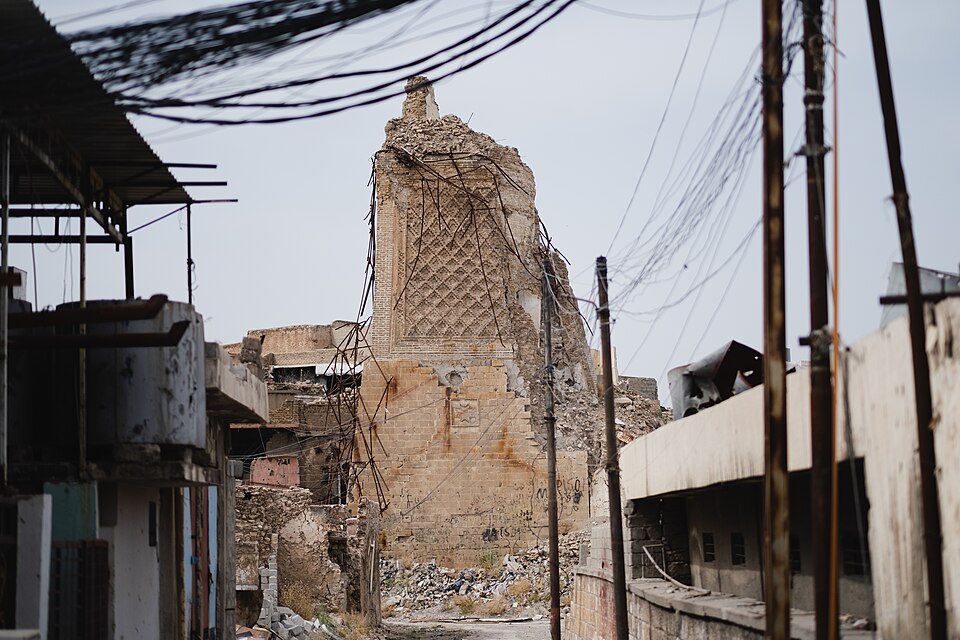
Al-Nuri Mosque ruins in 2019 · historical photograph

Follow five periods of conflict and their effects on cities and communities.

Culture & daily life

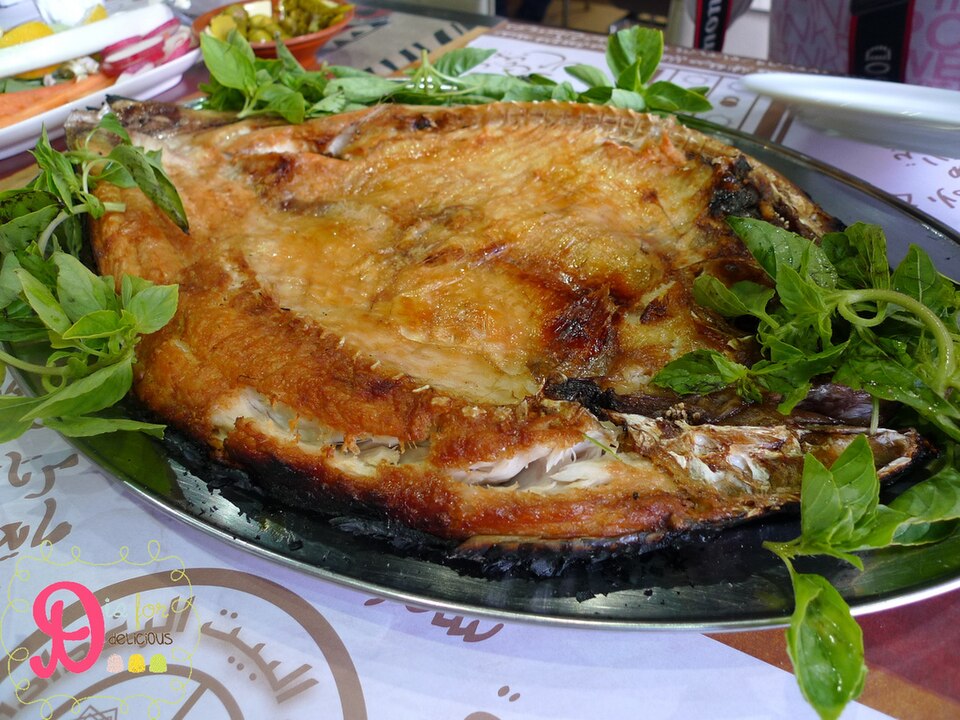
Masgouf preparation · photograph from 2016

Explore diverse urban lives through belief, heritage and food.

Politics & governance

Erbil Citadel
Erbil Citadel · Taken on 17 April 2008jan kurdistani ↗CC BY-SA 2.0

Context and effects

Iraq has a federal parliamentary system, with distinct federal and Kurdistan Regional levels of governance. Institutional background does not establish entry, legal or administrative rules for a particular nationality, destination or itinerary. Check the relevant official channels; this page supplies no unverified visa fees or durations.

prod-2026-10-13.4

Sources & licences · 1

Economy & living

Shatt al-Arab, Basra · historical photograph
Shatt al-Arab, Basra · historical photograph · 2004user:aziz1005 ↗Public domain

Context and effects

The World Bank identifies dependence on oil revenue as a central feature of Iraq’s economy and a source of volatility. Changes in oil prices and production affect public finances and economic activity. National oil earnings cannot be translated directly into household incomes or hotel prices. This page supplies no undated economic shares, market shares or living-cost figures.

Context and effects

Restoring basic services, infrastructure, public governance and employment opportunities are important reconstruction priorities. Water, electricity, housing and commuting conditions vary between cities and individual properties and require specific checks. A national development programme supplies context; it does not prove that a particular accommodation offers the services needed.

prod-2026-10-13.4

Sources & licences · 1

History & rebuilding

Al-Nuri Mosque ruins in 2019 · historical photograph
Al-Nuri Mosque ruins in 2019 · historical photograph · 2019-05-24 15:20:41Levi Clancy ↗CC0

Mesopotamia and historical geography

The Tigris and Euphrates provide a starting point for Iraq’s history. UNESCO’s southern Ahwar heritage property includes the remains of Uruk, Ur and Eridu, connecting ancient settlement with landscape. These remains illuminate successive societies rather than a single uninterrupted modern national identity.

1980–1988 · Iran–Iraq War

Iraqi forces invaded Iran on 22 September 1980, beginning full-scale war amid border disputes, contest over the Shatt al-Arab and regional rivalry. Years of fighting caused casualties, damaged infrastructure and consumed public resources. The UN-supported ceasefire took effect on 20 August 1988. Missing persons, prisoners and reconstruction needs did not disappear with the ceasefire.

1990–1991 · Gulf War

Iraq invaded Kuwait in August 1990 after disputes involving war debts, oil revenue and territory. A US-led coalition conducted military operations in January and February 1991, forcing Iraqi withdrawal. Bombing damaged power and refining facilities. Sanctions, reparations and repression after the war further affected the economy and civilian life.

2003–2011 · Invasion and prolonged conflict

The war followed the post-9/11 debate over terrorism and alleged weapons of mass destruction. A US- and UK-led coalition invaded Iraq in March 2003 and overthrew Saddam Hussein’s government after taking Baghdad in April. The conflict continued beyond regime change. Occupation, insurgency and political restructuring disrupted services and displaced families. The main US withdrawal in 2011 was a phase boundary, not the end of all subsequent conflict. Findings of the UK Iraq Inquiry in 2016 identified greater certainty in public government statements than in intelligence assessments. Arguments used before war must be distinguished from later findings.

US tanks in Baghdad, 2003 · historical photograph
US tanks in Baghdad, 2003 · historical photograph · 2003-11-13Technical Sergeant John L. Houghton, Jr., United States Air Force ↗Public domain

2006–2008 · Sectarian violence

Religious difference alone does not explain Iraq’s conflicts. Changes in power, armed competition and insecurity after 2003 interacted. The bombing of Al-Askari Shrine in Samarra in February 2006 intensified sectarian violence. The severe 2006–2008 phase involved attacks, reprisals and forced displacement that transformed mixed neighbourhoods and damaged homes, livelihoods and community relationships.

2014–2017 · War against ISIS

ISIS seized Mosul and other areas in 2014, persecuted communities including Yazidis, and damaged heritage. Iraqi forces, Kurdish forces and others fought to recover territory with international support. Mosul was retaken in 2017, and Iraq declared military victory that year. Territorial defeat did not eliminate ISIS remnants or insecurity; destruction and explosive hazards continued to impede return and reconstruction.

Reconstruction of buildings and community life

UNESCO’s Mosul initiative addresses mosques, churches, historic houses, cultural activity, schools and skills. Reconstruction can therefore be read as both architectural restoration and recovery of community life. Completion of a landmark does not establish that its surroundings are suitable for tourism or that every displaced resident can return.

prod-2026-10-13.4

Sources & licences · 10

Culture & daily life

Masgouf preparation · photograph from 2016
Masgouf preparation · photograph from 2016 · 2016-03-19Hill93 ↗CC BY-SA 4.0

Context and effects

Mosul’s heritage includes Islamic and Christian buildings and historic neighbourhoods. Architecture, music and community activity help explain cultural diversity. Practices in one city or community should not be treated as a uniform national way of life; culture also changes across historical periods and communities.

Context and effects

Islam has an important place in Iraqi society, including Shia and Sunni traditions, alongside Christian, Yazidi and Mandaean communities. Diversity exists within communities as well. Religious venues are primarily spaces of faith. Ask the specific operator about visits, clothing and photography; population shares or stereotypes do not describe an individual’s beliefs.

Context and effects

Masgouf grilled fish, dolma stuffed vegetables and vine leaves, and quzi lamb dishes offer entry points into Iraqi food traditions. Recipes vary by region and household; no single dish represents the whole country. Ask restaurants about ingredients, allergens, opening and payment arrangements. This page supplies no unverified restaurant recommendations.

prod-2026-10-13.4

Sources & licences · 3

Context and effects

Iraq lies in West Asia. The Tigris and Euphrates shape its historical geography and connect southward to the Persian Gulf. Baghdad is the capital. Central and southern plains, southern wetlands and northern uplands have different environments; one city cannot represent the whole country. Ancient Mesopotamian settlement and the boundaries of the modern state are not identical.

Context and effects

Iraq’s federal governance includes national and regional levels. Society contains multiple linguistic, religious and cultural traditions. Shia and Sunni Islam are important traditions, alongside Christian, Yazidi and Mandaean communities. Political institutions, individual beliefs and community life should be distinguished. This introduction supplies no current population percentages.

prod-2026-10-13.4

Sources & licences · 6

Wikipedia · Baghdad

Coverage
Cited background claims only; evidence/captures.json records capture method and limitations
Source publication date
—
Source read date
2026-10-13
Last content verification
2026-10-12T16:58:52.092433+00:00
Content revision
1378978381 2026-10-07T04:49:19Z
Licence
CC BY-SA 4.0
Author history

Wikipedia · Shatt al-Arab

Coverage
Cited background claims only; evidence/captures.json records capture method and limitations
Source publication date
—
Source read date
2026-10-13
Last content verification
2026-10-12T16:58:52.093007+00:00
Content revision
1374004337 2026-09-09T06:14:17Z
Licence
CC BY-SA 4.0
Author history

Wikipedia · Sulaymaniyah

Coverage
Cited background claims only; evidence/captures.json records capture method and limitations
Source publication date
—
Source read date
2026-10-13
Last content verification
2026-10-12T16:58:52.092767+00:00
Content revision
1376931969 2026-09-27T01:35:52Z
Licence
CC BY-SA 4.0
Author history

Eight cities

Erbil

Erbil, also called Hawler, is the capital of Iraq’s Kurdistan Region.

Open city guide →

Mosul

Mosul lies on the Tigris in northern Iraq and is the capital of Nineveh Governorate.

Open city guide →

Najaf

Najaf, south of Baghdad, is an important centre of Shia religious life and scholarship.

Open city guide →

Sulaymaniyah

Sulaymaniyah, also called Slemani, lies in the eastern part of Iraq’s Kurdistan Region amid hills and mountains.

Open city guide →

Samarra

Samarra lies north of Baghdad on the eastern bank of the Tigris in Salah al-Din Governorate.

Open city guide →