Identity and history
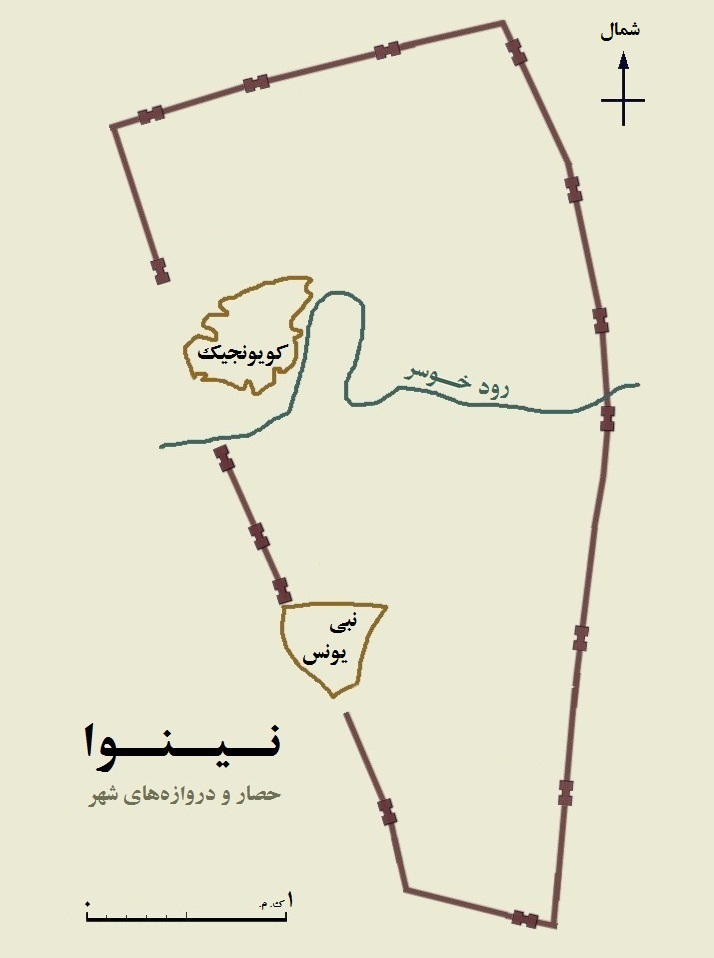
Nineveh on the east bank near modern Mosul is central to understanding Assyrian urbanism and kingship. Walls, gates, palace remains and mounds form a complex site rather than a single gateway. UNESCO’s Tentative List records its archaeological value. The modern governorate is not the ancient site boundary.
Sources & licences · 2
- Coverage
- Cited background only; see dated evidence capture. Current statistics are separate fact records.
- Source publication date
- —
- Source read date
- 2026-10-13
- Last content verification
- 2026-10-13T00:41:08.703237+00:00
- Content revision
- —
- Licence
- Unverified
- Coverage
- Cited background claims only; evidence/captures.json records capture method and limitations
- Source publication date
- —
- Source read date
- 2026-10-13
- Last content verification
- 2026-10-12T16:58:52.093046+00:00
- Content revision
- 1377907371 2026-10-01T22:14:18Z
- Licence
- CC BY-SA 4.0
Author historyLocal and cultural context
Nineveh was an ancient Mesopotamian city and a major capital of the Neo-Assyrian Empire. Its remains lie east of the Tigris beside modern Mosul, distinct from Mosul’s old city. Settlement mounds and archaeological remains illuminate ancient urban life. Excavated objects held in museums should be distinguished from remains visible on site.
Sources & licences · 1
- Coverage
- Cited background claims only; evidence/captures.json records capture method and limitations
- Source publication date
- —
- Source read date
- 2026-10-13
- Last content verification
- 2026-10-12T16:58:52.093046+00:00
- Content revision
- 1377907371 2026-10-01T22:14:18Z
- Licence
- CC BY-SA 4.0
Author history