Identity and history
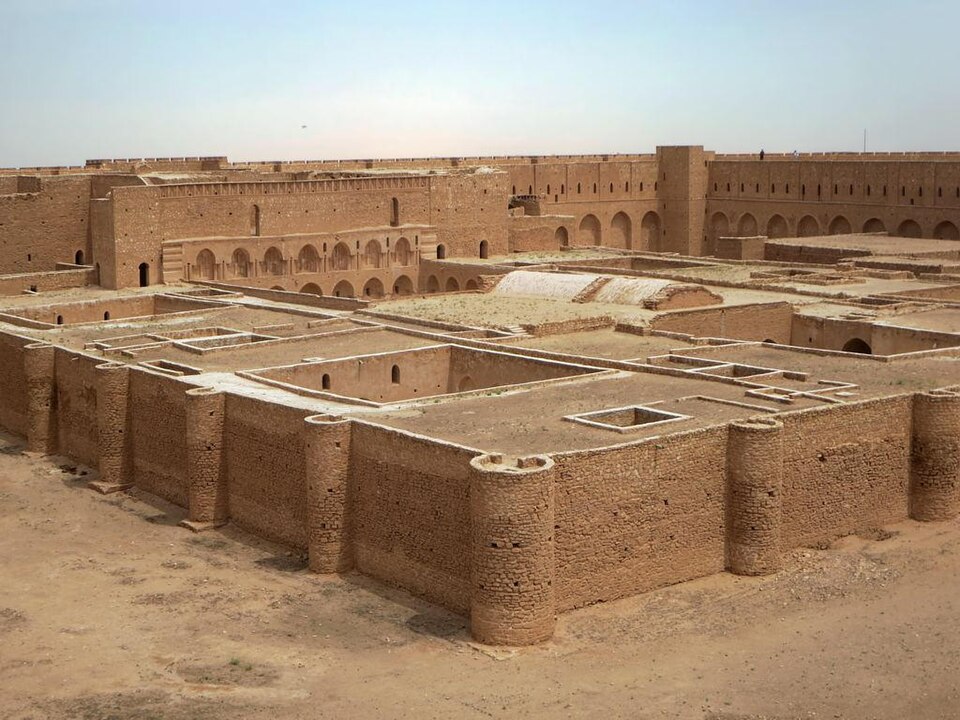
Ukhaidir southwest of Karbala is an important early Islamic palace and fortified-building case. Rectangular enclosure, towers, entrance and courtyards organise the complex. Its UNESCO Tentative List record is distinct from inscription. It differs from central shrines in period, use and location.
Sources & licences · 2
- Coverage
- Cited background only; see dated evidence capture. Current statistics are separate fact records.
- Source publication date
- —
- Source read date
- 2026-10-13
- Last content verification
- 2026-10-13T01:01:47.504785+00:00
- Content revision
- —
- Licence
- Unverified
- Coverage
- Cited background claims only; evidence/captures.json records capture method and limitations
- Source publication date
- —
- Source read date
- 2026-10-13
- Last content verification
- 2026-10-12T16:58:59.171566+00:00
- Content revision
- 1371619322 2026-08-27T12:42:49Z
- Licence
- CC BY-SA 4.0
Author historyLocal and cultural context
Al-Ukhaidir Fortress lies in the surrounding area south of Karbala. This large rectangular Abbasid complex combines halls, iwans, reception spaces, residences, a mosque and courtyards, linking defensive and residential functions. Regional movement and trade form part of its context. It is not a walkable city-centre attraction in Karbala.
Sources & licences · 1
- Coverage
- Cited background claims only; evidence/captures.json records capture method and limitations
- Source publication date
- —
- Source read date
- 2026-10-13
- Last content verification
- 2026-10-12T16:58:59.171566+00:00
- Content revision
- 1371619322 2026-08-27T12:42:49Z
- Licence
- CC BY-SA 4.0
Author historyFortress and movement networks
The UNESCO Tentative List relates Ukhaidir to a commercial route and other stations for travellers and caravans. The complex includes a main hall, large iwan, reception spaces and service quarters. A defensive exterior can coexist with reception and domestic functions; thick walls alone do not define an exclusively military use.
Read the sequence of enclosure, gates, courtyards and rooms. Access, gathering and service offer clues to a large early-Islamic complex. Tentative listing is distinct from inscription as a World Heritage property.
Sources & licences · 1
- Coverage
- Cited background only; see dated evidence capture. Current statistics are separate fact records.
- Source publication date
- —
- Source read date
- 2026-10-13
- Last content verification
- 2026-10-13T01:01:47.504785+00:00
- Content revision
- —
- Licence
- Unverified